LONG-FORM BIOGRAPHY
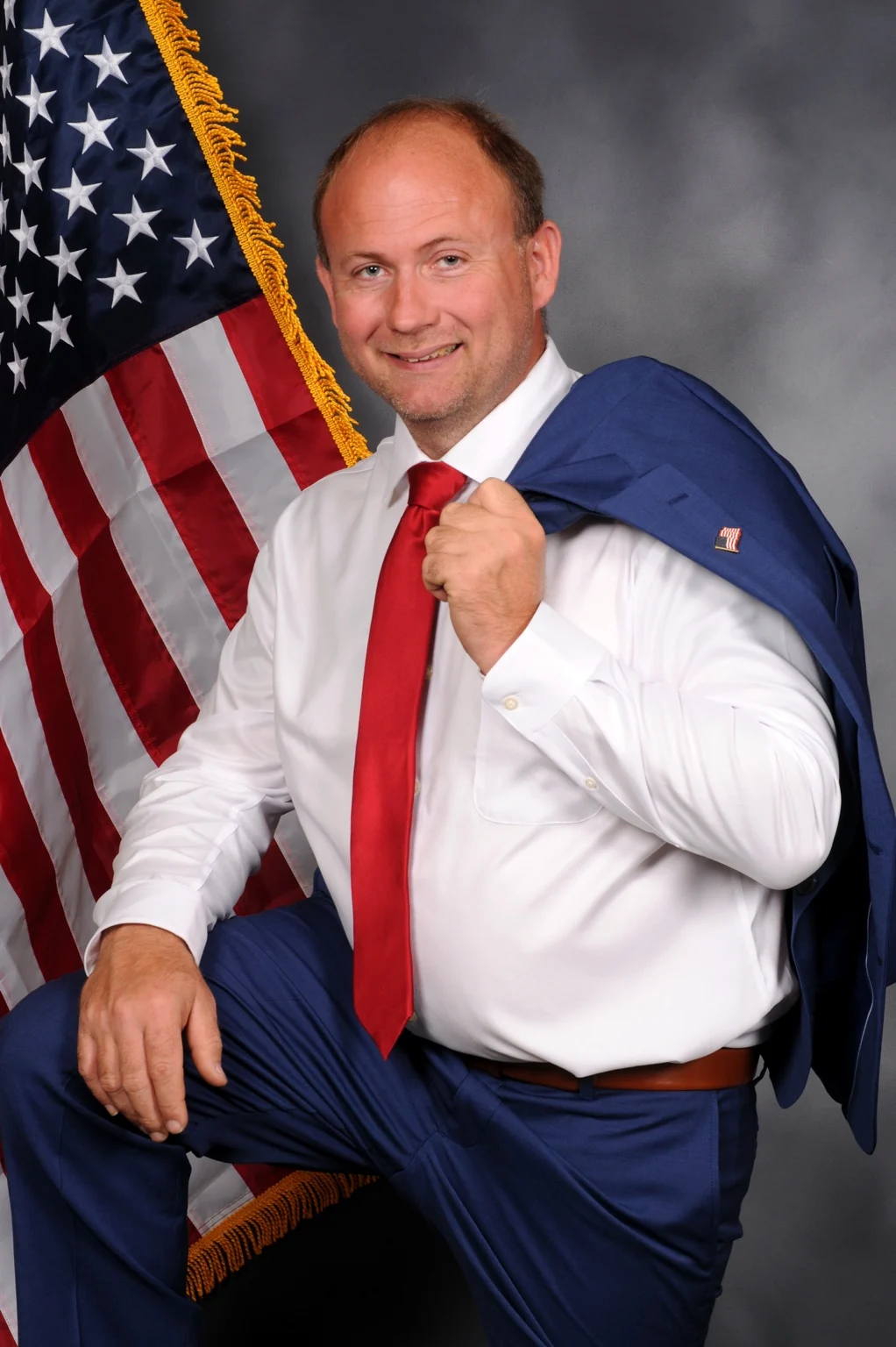
Matthew Virgillo: A Working-Class Background and a Practical Approach to Fayette County
Matthew Virgillo was born at Frick Hospital in Mount Pleasant and raised in Dunbar Township, in the Dickerson Run area. Fayette County has remained home throughout his life. He says he never wanted to leave the area permanently; he wants to see it remain a place where families can put down roots, raise children, and build a future.
Virgillo grew up in a working-class family with limited financial resources. His parents taught him that if you wanted something in life, you had to work for it. He took that lesson seriously. He worked while he was in school, earned his credits early, and entered full-time employment after graduating. He also completed technical training in the Connellsville area.
His career began as a welder and fitter, working on coal-mine projects and components for Army Bradley vehicles. He later worked in the marine and barge industry before moving into construction. Starting as a laborer, he advanced through the ranks to become a superintendent.
As a construction superintendent, Virgillo traveled for work and took part in projects across multiple states. His experience included bridges, heavy-highway work, ship docks, utilities, and projects involving agencies and public infrastructure such as PennDOT, the Pennsylvania Turnpike, and Port Authority. He says the projects he worked on ranged from approximately $1 million to more than $200 million, with many falling in the $50 million to $60 million range.
That experience shaped his approach to management. Virgillo says construction taught him that budgets, schedules, accountability, and public money matter. Missing a deadline can increase costs; poor oversight can waste money; and contractors must be held to the standards and responsibilities of the work they are hired to perform. He believes those lessons apply to county government, where taxpayers deserve careful budgeting, clear priorities, and accountability for results.
Virgillo now runs a family-owned residential construction business that he acquired from family members. The business handles work including footers and foundations, additions, concrete, utilities, and other residential projects. He takes pride in being able to point to a completed project and say he helped build it.
Why he is running
Virgillo says he decided to run for Fayette County commissioner because he is concerned about the direction of the county. In his view, residents are facing rising taxes while communities struggle with deteriorating properties, infrastructure concerns, and a shortage of well-paying jobs. He says taxpayers are increasingly worried that the cost of taxes makes it harder to repair and improve their own homes. He also believes county government needs to communicate better with residents and businesses and be more transparent about its decisions.
Virgillo has also said he intends to give his county salary back to support multiple community projects and nonprofit organizations serving Fayette County.
He points to a county tax-increase meeting he watched as an important moment in his decision. He felt residents’ concerns were not given adequate consideration before the commissioners proceeded with the vote. For Virgillo, that episode reflected a broader problem: county government should listen to the people it serves and explain how decisions are made.
If elected, he says his first priority would be to improve working relationships—with fellow commissioners, state legislators, state senators, businesses, and residents. He believes the county will accomplish more when officials put aside personal disagreements and work together on shared goals.
Jobs, investment, and responsible growth
Economic development is central to Virgillo’s vision. He wants Fayette County to attract businesses that offer higher wages and lasting opportunities, not rely primarily on low-wage retail and fast-food jobs. He points to industrial and manufacturing work as examples of the kinds of opportunities that can support families and attract workers from outside the county.
He also believes the county should make it easier for businesses to open and expand. Drawing on his own experience with zoning and permitting, he argues that regulations and costs can discourage investment. He supports reviewing those processes to determine where they can be made more practical while still recognizing the purpose of permitting requirements.
Virgillo says commissioners should actively build relationships with existing business owners, potential investors, and officials at the state and federal levels. He also sees opportunities in tourism, film and entertainment, concerts and events, energy, and the reuse of former industrial or mining properties. He believes Fayette County should be willing to consider different uses for underused land when traditional industries are no longer viable.
Infrastructure and community services
Virgillo wants the county to take a long-term, priority-based approach to infrastructure. He has raised concerns about roads, public water, sewage, and the condition of communities throughout Fayette County. He says officials should identify what needs to be done over the next five, ten, fifteen, and twenty years, then weigh projects according to need, available funding, and likely benefits.
He recognizes that county government must balance essential services with recreation and quality-of-life projects. In his view, the key is to understand which needs are most urgent, use restricted grant funds appropriately, and make spending decisions as part of a clear plan rather than treating projects in isolation.
He is also concerned about the challenges facing volunteer fire departments and emergency services. He supports efforts to involve younger people through junior programs and stronger community engagement, and he believes county commissioners should work with state officials to explore ways to support volunteers and first responders. He also wants county government to give appropriate attention to nursing homes and education programs as part of its broader commitment to community well-being.
Accountability and character
Virgillo describes integrity as transparency and working for the people. He says he does not believe in promising everything to everybody or guaranteeing outcomes beyond a commissioner's control. Instead, he says he would commit to investigating county spending, pursuing opportunities to generate revenue, and doing his best to reduce unnecessary costs and the tax burden.
He also says he would judge his own performance by results. If, after a term, he believed he had failed to help the county, he says he would take responsibility rather than blame others.
Outside work and politics, Virgillo says he is most proud of raising his children. He is involved in community activities, including efforts connected with autism and cemetery work, and he enjoys hunting, fishing, history, and the outdoors. He credits his parents—particularly his father, who worked demanding jobs in a foundry—with shaping his work ethic.
Virgillo’s campaign message is grounded in a simple belief: county government should listen, work together, manage money responsibly, and focus on creating opportunities for the people who call Fayette County home.
# # # # #